A good first trip does not need to cover the whole country. It needs a clear theme, transfers that leave enough energy for the destination, and at least one unhurried day.
These three routes are planning frameworks rather than fixed packages. Train schedules, attraction rules and entry requirements can change, so verify the operational details before booking.
Route 1: Beijing → Xi’an → Shanghai
Best for: a first visit built around imperial history, food and a modern-city finish
Comfortable length: 9–10 days
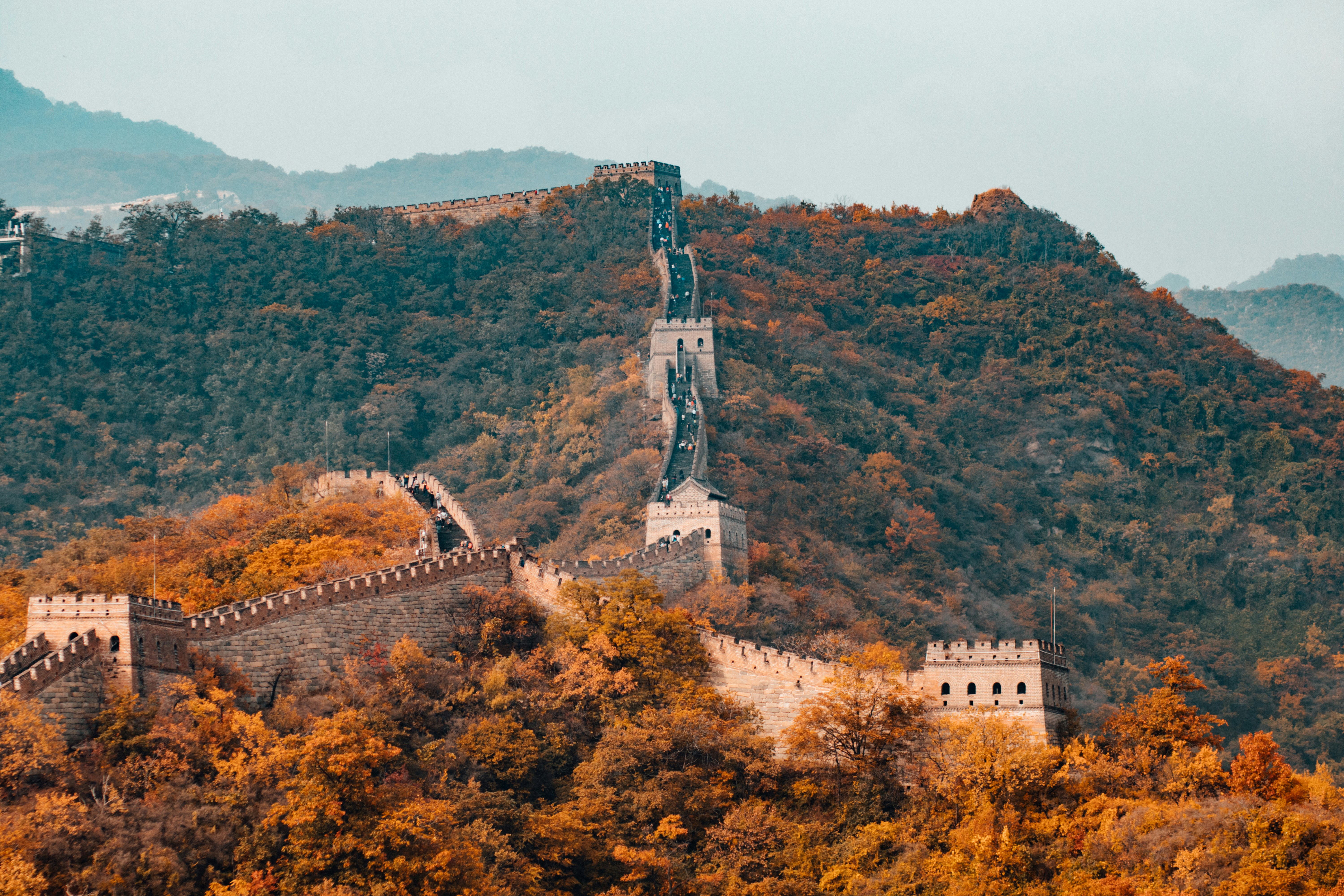
- Give Beijing three full days for the Forbidden City area, a Great Wall day and one neighbourhood-focused day.
- Allow two full days in Xi’an. The Terracotta Warriors require a substantial part of one day; keep the old city and food streets for another.
- Finish with two or three days in Shanghai, including time beyond the Bund.
This is the classic route for a reason, but it becomes tiring when travellers try to add another distant city. Beijing–Xi’an and Xi’an–Shanghai both have rail options; compare the complete door-to-door time before assuming a flight is faster.
Route 2: Beijing → Shanghai → Hangzhou
Best for: landmark cities with a softer final chapter
Comfortable length: 7–9 days
Spend three days in Beijing, then move to Shanghai for two or three days. Use Hangzhou as a day trip only if the schedule is tight; with eight or nine days, one overnight stay creates space for an early West Lake walk and a calmer evening after day visitors leave.
This route has fewer cultural eras than the Xi’an option, but the transfers are easier to absorb and it works well for travellers who value design, food and urban neighbourhoods.
Route 3: Chengdu → Chongqing
Best for: regional food, street life and a slower two-city trip
Comfortable length: 7 days
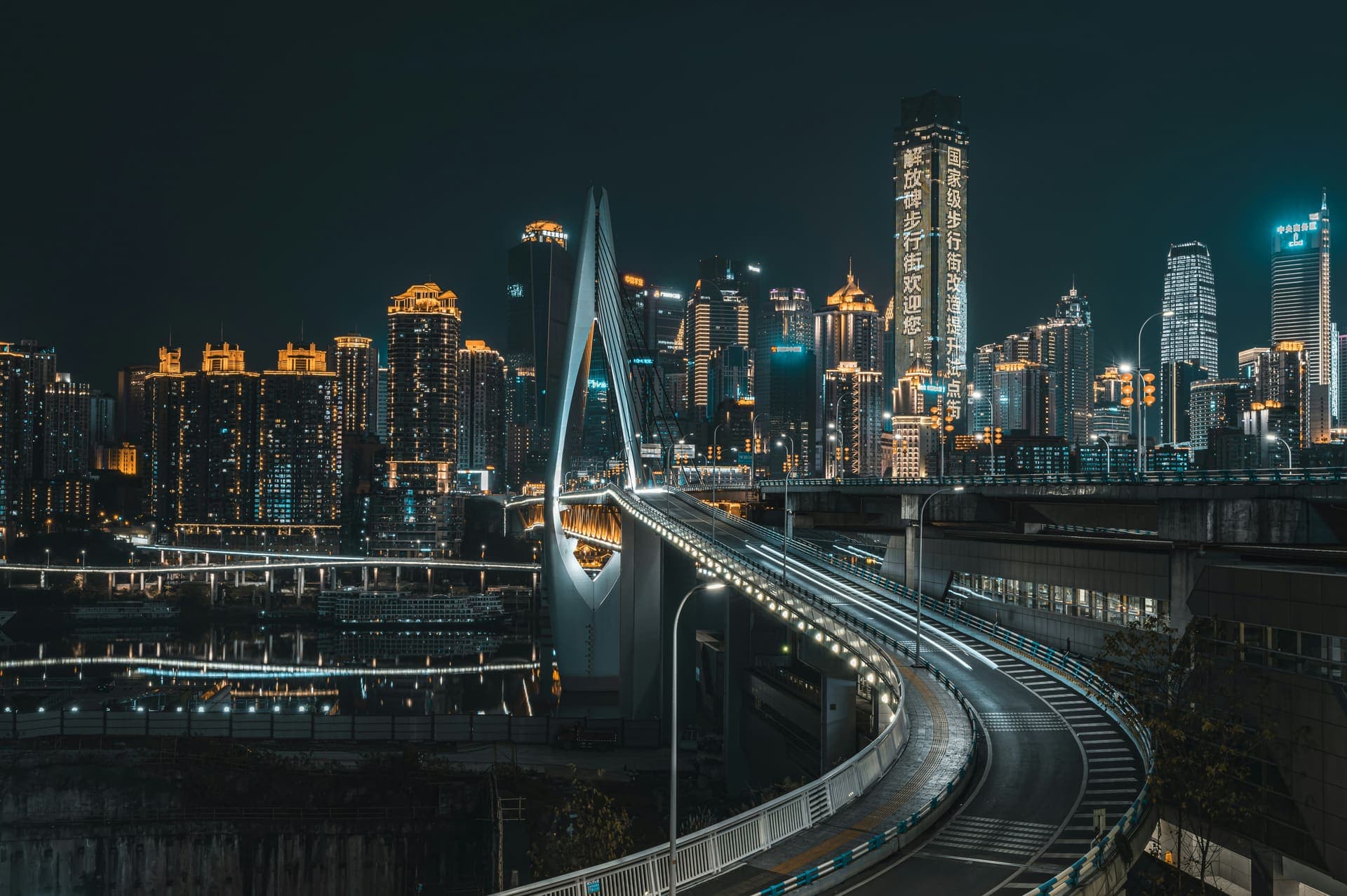
Base yourself in Chengdu for four nights. Visit the panda base early, but leave time for parks, teahouses and a properly paced food day. Continue to Chongqing for three nights and plan around the city’s vertical geography: several places that look close on a flat map involve stairs, bridges or changes in elevation.
This route sees less of “classic” imperial China, but it gives a stronger sense of one region and avoids spending the week chasing landmarks.
Book the transfer, not just the seat
China Railway’s official 12306 guidance says foreign passengers can register and buy tickets using accepted identity documents, including a foreign passport. The document used for the booking is also used for station verification, so names and passport details must match. Use the official 12306 passenger guidance for the current process.
For every transfer, add:
- Time from the hotel to the departure station.
- A station arrival buffer.
- The rail journey.
- Time from the arrival station to the next hotel.
A two-hour train can still consume half a travel day.
Before committing to a route
- Check entry eligibility for the passport and itinerary, rather than relying on a social-media summary.
- Confirm the exact station names; many cities have several major rail stations.
- Keep the first evening after a long transfer flexible.
- Save hotel names and addresses in Chinese for taxis and station arrivals.
- Leave one unscheduled half-day. It is often the part of the trip people remember best.
If the route still feels crowded after adding transfers, remove a city. Depth is usually a better first impression than a longer checklist.